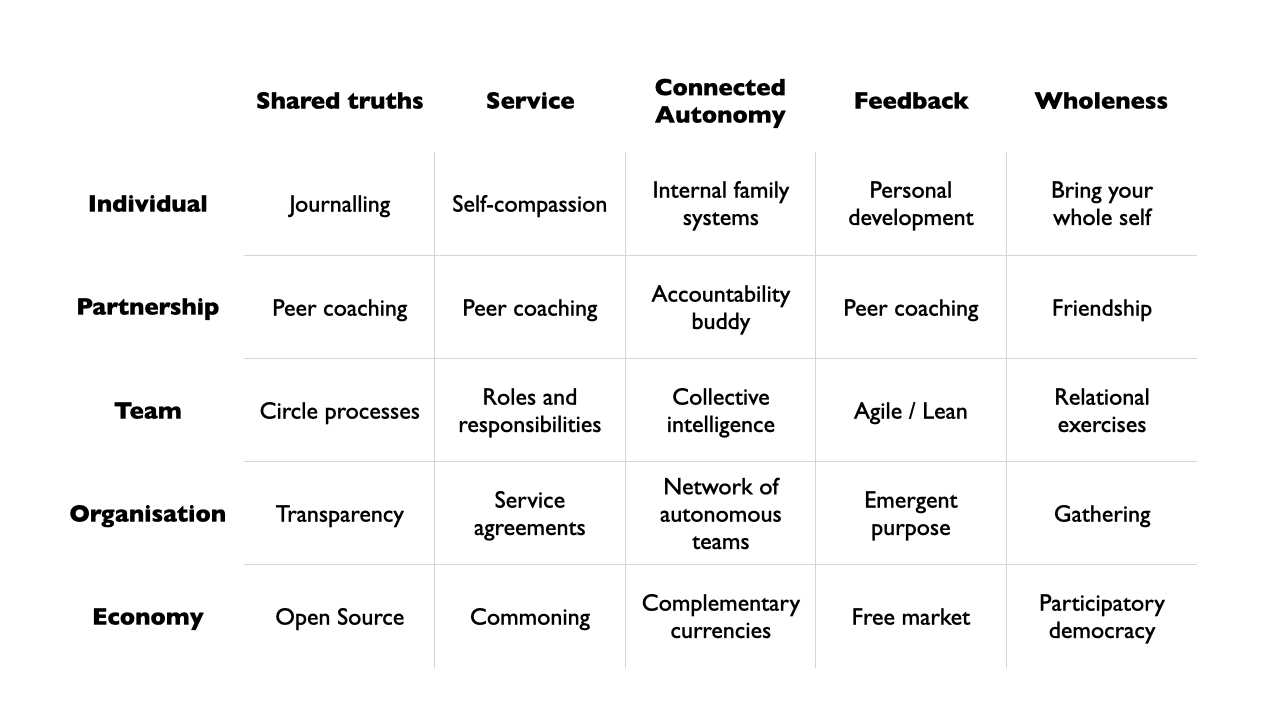
Living Systems Presentation
Part 1 - Paradigm shift
We have started 2023 staring down the barrel of a confluence of challenges unlike any other in our lifetimes …
This path is a dead end.
We need a course correction
Antonio Guterres, UN Secretary General, Feb 6 2023
We often hear calls like this, for a fundamental change, but rarely anything concrete about what we need to change to.
The premise in this talk is that the new paradigm we need to switch to is already here and popping up all over the place, we just need to learn how to recognise it.
We can define a paradigm as the shared beliefs that make collective action possible. For example, the introduction of money to a primitive society that formerly did not have such a thing would be a huge paradigm shift. The key thing that is introduced is not the coins, but the belief that money holds value.
We are currently experiencing a shift in our beliefs about the systems we create (e.g. companies)
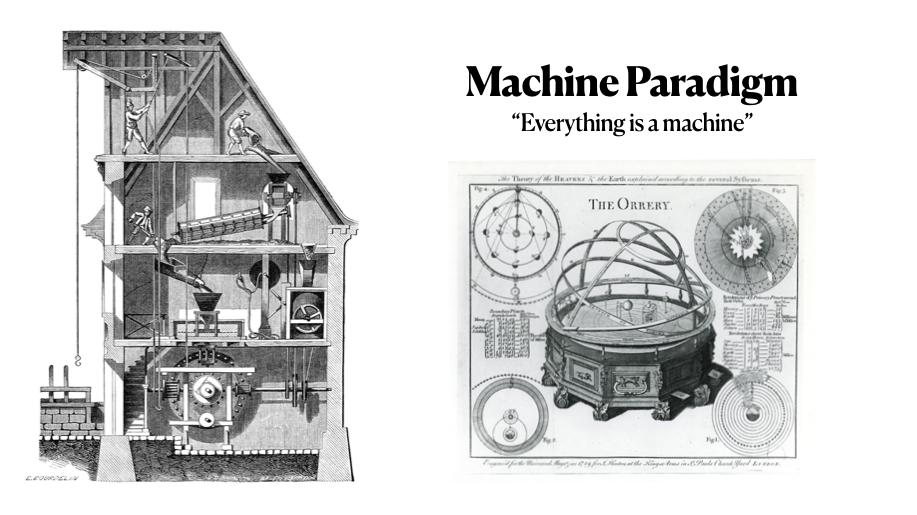
From, systems are best understood as machines
To, systems are best understood as living things
The paradigm we are living in today can be traced back to the Scientific Revolution.

We had been using machines for hundreds of years already (e.g. waterwheel). What was new was a philosophical shift - the idea that the whole of reality could be understood as machines. This powerful idea led to all the technology we enjoy today.
Progress has been remarkable…
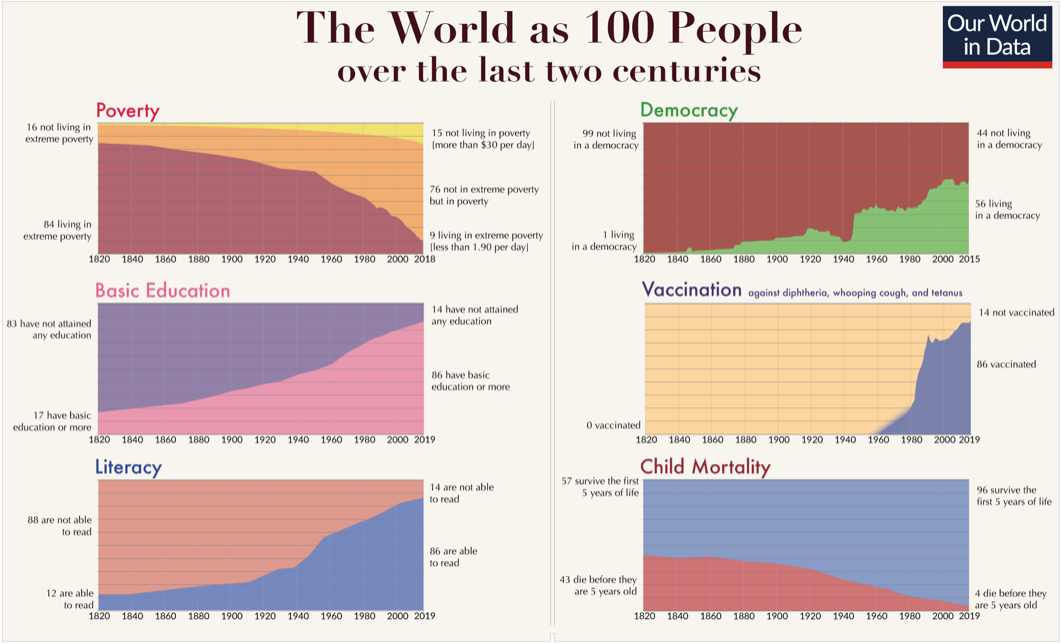
…but not all progress. Why is it, when so much is going so well, that so many other things are going badly:
Climate crisis
Destruction of nature
Unsustainable resource usage
Inequality & financial instability
Social fragmentation
Disengagement (work, politics)
Polarisation
Mental health crisis
Lifestyle illness (diabetes, stress)
The answer can be understood when we think about the systems behind all this progress.
Machine systems
If we think about progress from the point of view of systems, things become more clear:
We have built huge systems: trade systems, food systems, distribution systems, education systems, and on and on
The positive side of progress is the result of these systems doing what they were intended to do.
The negative side of progress is the result of the unintended byproducts of these systems.
This problem is fundamental to the machine mindset. A machine is an abstraction, a simplification of reality. It is never the full story.
The factory is the perfect metaphor for all kinds of machine systems. We can produce our goods incredibly efficiently, but we have preferred not to ask difficult questions:
Where do the raw materials come from?
Where does the energy come from?
Where do the waste products go?
What happens to the people that work in the factory, day after day?
Machine systems always have unwanted side effects. They might start small, but they accumulate. We have reached the point where these accumulating effects have given us a climate crisis, a mental health crisis, and much more besides.
There is a kind of system that behaves differently - ecosystems
Part 2 - Living Systems
Living systems have some powerful qualities that machine systems do not
They self-regulate
Things are naturally brought into balance
They integrate byproducts
“Waste” is a human concept
The self-optimise for flourishing
Life creates more life
These are exactly the properties we need our systems to have, if we want to solve the problems created by the machine paradigm.
But is it realistic to expect human built systems to have these living properties? In the 1990s, a new branch of science and mathematics emerged — the study of chaos and complexity — which suggests yes, even simple rule-based systems can have lifelike behaviour.
This is the “Boids” simulation. It looks remarkably like the real starling murmuration, but there is no sophisticated AI here. The simulation is very simple to code. It relies on two simple principles:
There is no central control. Each “boid” is a separate mini-program, running autonomously.
The individual boids are in a continual feedback loop with each other.
The feedback is governed by three simple rules:
Maintain a similar speed and direction to neighbours
Steer towards the perceived centre of the flock
Don’t crash
We can call this combination of autonomy and relationship Connected Autonomy. It is one of the fundamental keys to building living systems.
This idea doesn’t come from abstract thinking about systems, but from a observing a remarkable new breed of businesses and organisations that are learning to flourish in uncertain times.
Part 3 — Stories of Connected Autonomy
Buurtzorg
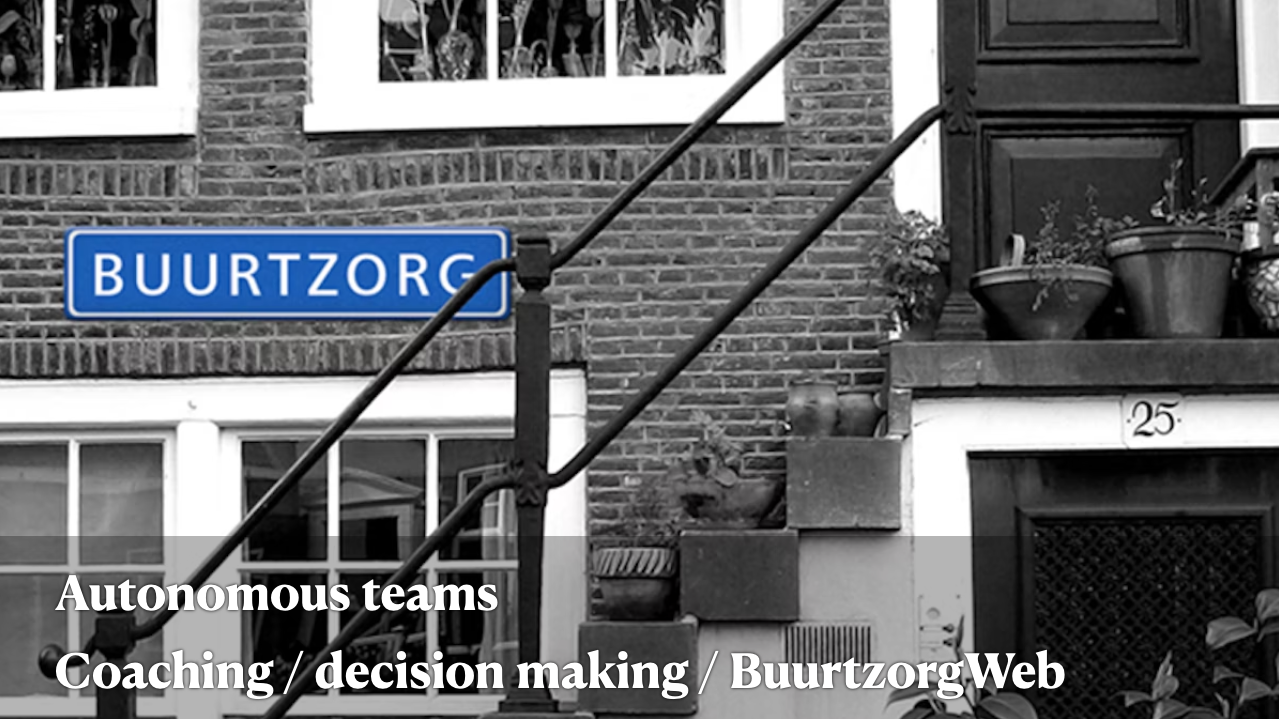
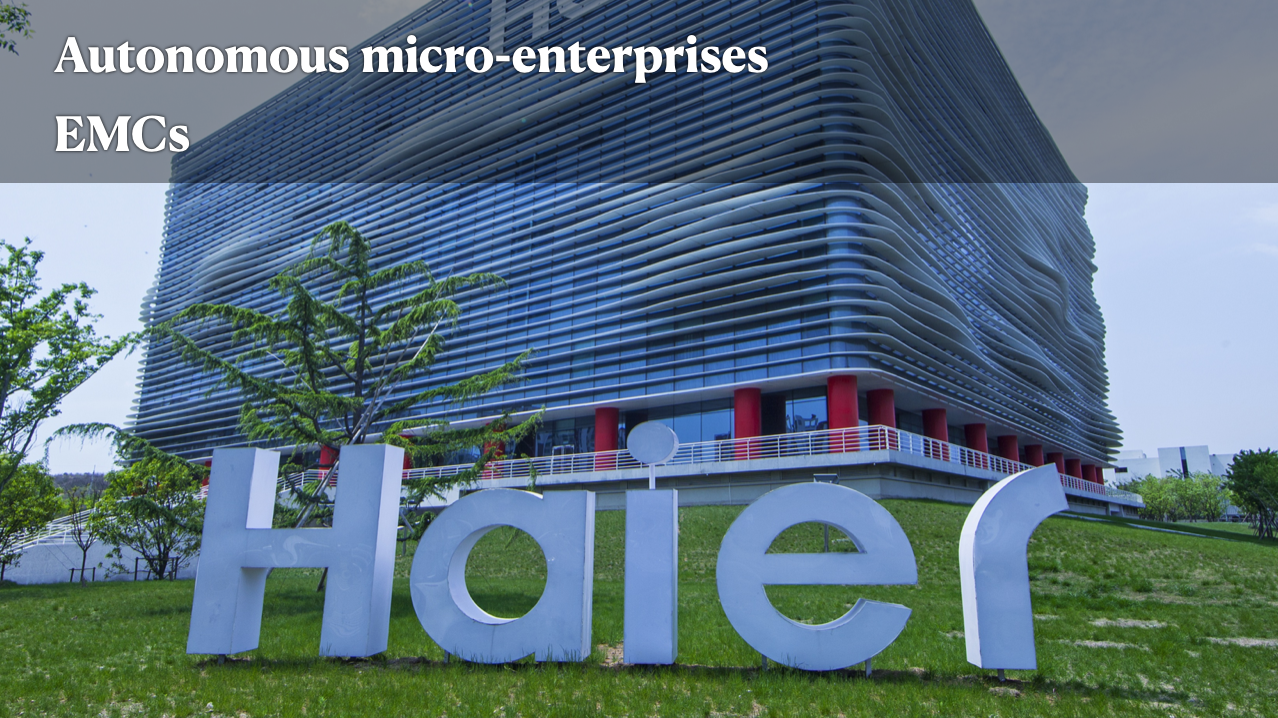
Haier
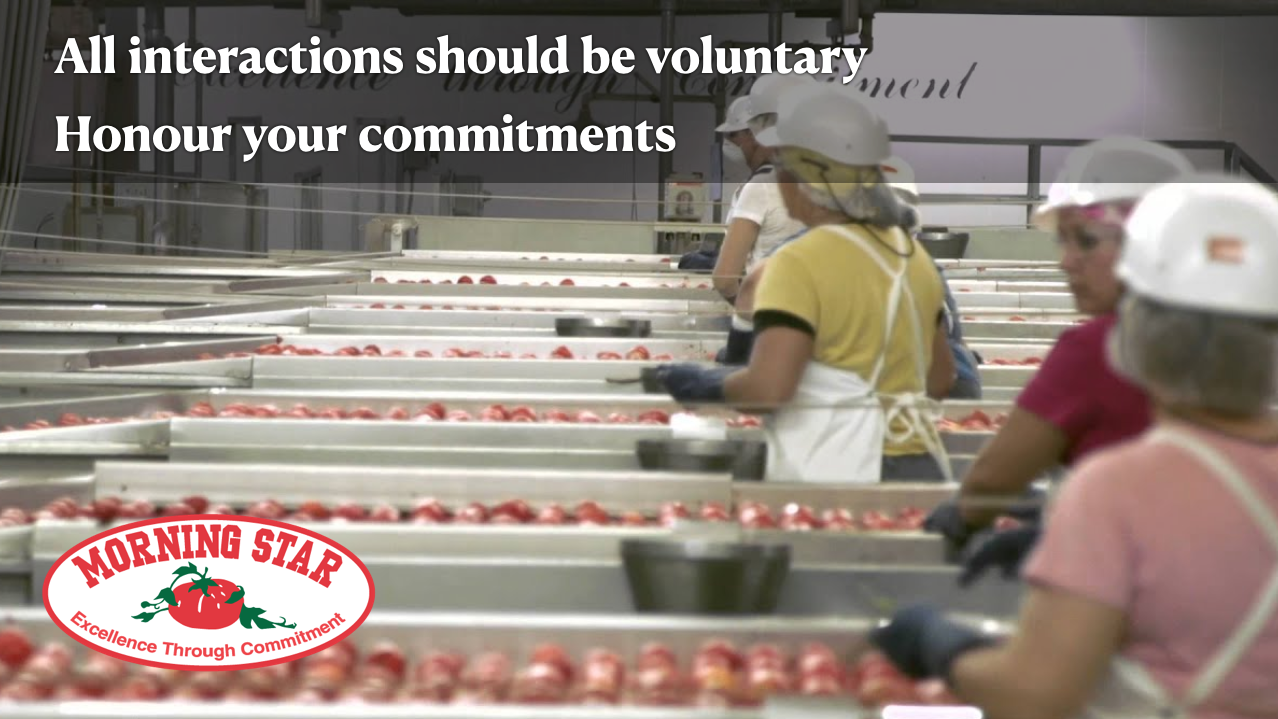
Morning Star
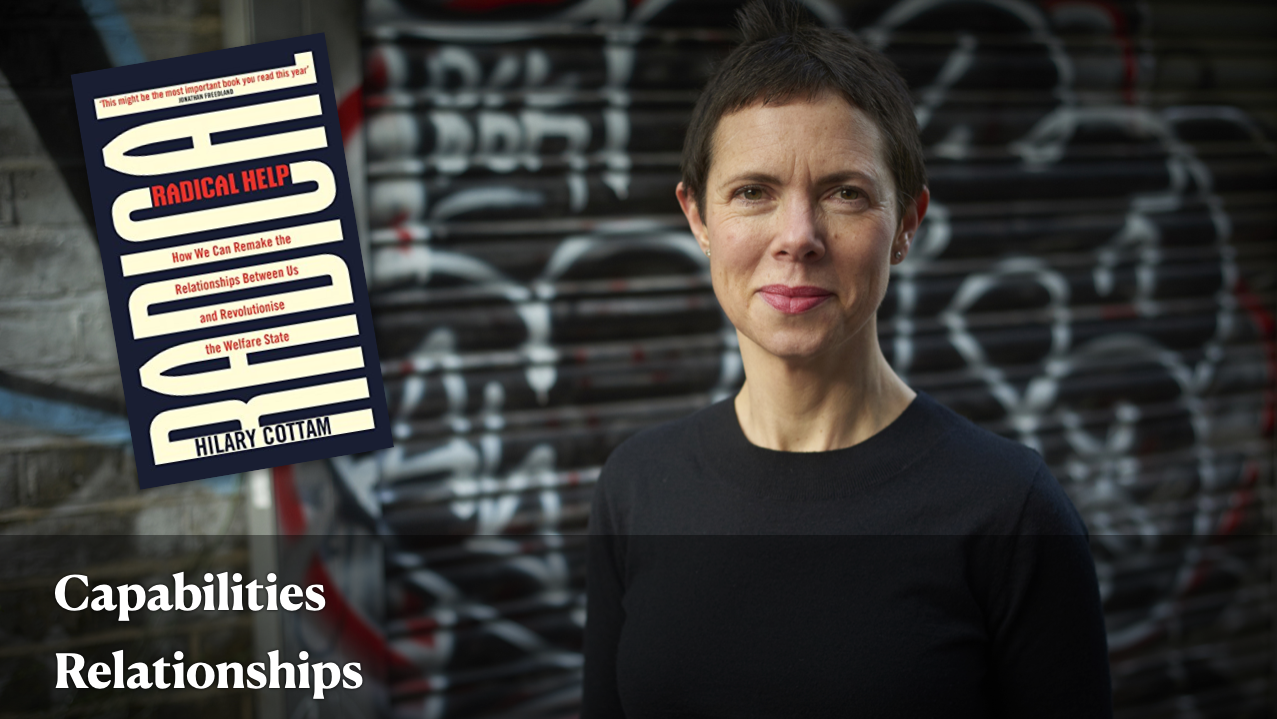
Radical Help - the story of Participle
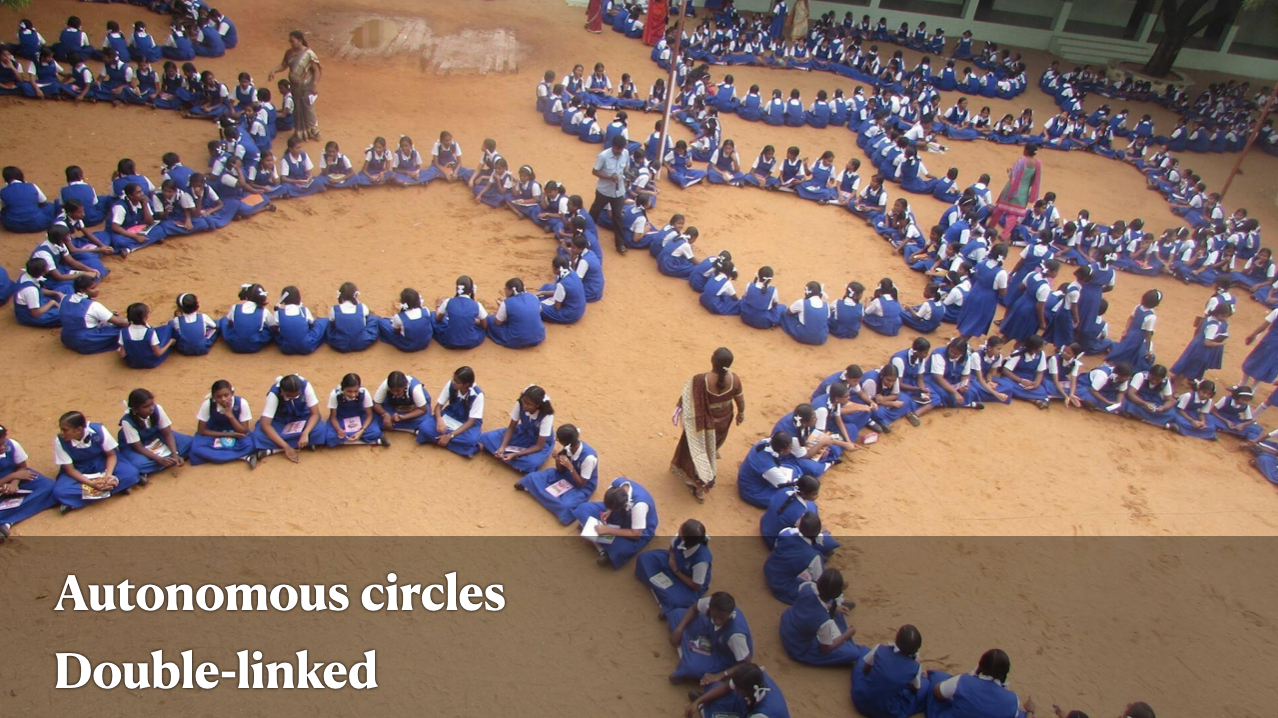
Neighbourhood Parliaments of India
Meeting the global sustainability crisis
Part 4 — Principles of living systems
Five core principles
Connected Autonomy
Shared Truths
Service
Feedback
Wholeness
At multiple levels of scale: